FREE- Transforming Hospital Breastfeeding Practices Talk

Join us on Tuesday, June 30, 2026, at 11 AM ET.
COURSE IS FULL! Keep an eye out for a future self-study version of this. Go to the bottom of this page and sign up for our newsletter to stay up to date with our offerings!
In this FREE, 1-hour talk, Nancy Mohrbacher, IBCLC, FILCA, describes the approach she developed that over 18 months helped one mid-sized Chicago-area hospital increase its rate of exclusive breastfeeding at discharge from 60% to 87%.
1 R-CERP has been awarded.
Nancy Mohrbacher, IBCLC, FILCA
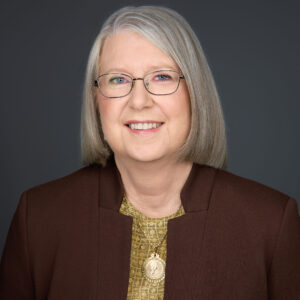 For the past 40 years, Nancy has worked with focus and heart to make breastfeeding a fulfilling experience for families across the globe. She considers nursing a vital bonding experience and works diligently to make breastfeeding information widely available. In addition to her book, Breastfeeding Answers, the definitive reference for lactation specialists, Nancy continually creates communications—from articles, podcasts, and bilingual infographics to digital apps—to ensure that any parent seeking guidance can access the information they need. Nancy is a sought-after international speaker and was among the first people to be honored for her lifetime contributions to the field of breastfeeding with the Fellow of the International Lactation Consultant Association (FILCA) designation. Her experience in education and the field of lactation shines brightly in the courses and resources offered through LactaLearning.
Frequently Asked Questions
The LactaLearning Difference
Engaging mix of learning modalities: podcasts, short videos, live discussions & more.
A wealth of lactation resources you’ll turn to again and again.
Direct connections to highly experienced teachers and course creators you trust.
A head-and-heart approach so you can more effectively empower families.
Innovative course design makes it easy to focus on topics you need.
Educational best practices help you retain more vital knowledge and skills.
Entry to a supportive community of like-minded breastfeeding advocates.
The flexibility you need to study at convenient times and places.