In 2019, Barbara distributed a survey on nipple shield use to report her findings in the journal Clinical Lactation. There is limited research on this common device used in lactation. She had a substantial 4500 families and 500 lactation professionals complete the survey. Barbara also obtained significant information from this survey. Of course, there are some limitations to the information we gathered. First, this survey was distributed only via Facebook. Barbara put an announcement on her personal Facebook page, two professional pages, and three colleagues’ Facebook pages. This means the reach was only so far and limited! Secondly, people viewing these pages are likely serious about breastfeeding. You can read the entire article here.
What was found?
Some of the things that were found were surprising! One of the most astonishing pieces of information was that many families use nipple shields far longer than the professionals who completed the survey imagined. Quite a few families used a nipple shield for over a year. The longest professionals thought nipple shields would be used was a few months at the most. More than 10% of our families used nipple shields for over a year. No professional thought families used them for this long.
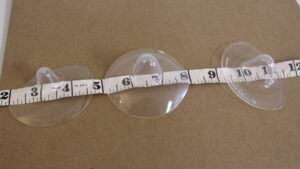
Another one of the things that was discovered, and this was no surprise, is that nipple shields are given out too frequently, and many families have a negative experience with them. It was found that families were being given a nipple shield on the first day or two of the baby’s life! This is not optimal. On the other hand, there are no clear standards for when and how to use this tool among lactation professionals. This lack of standards is harming families and confusing professionals.
It was also found that there was a lack of confirmation that the nipple shield was an appropriate tool (performing pre- and post-weights, ensuring the nipple shield size was optimal for families, and assessing for improved comfort), and that there was no follow-up care to help families wean off the nipple shield. This lack of follow-up seemed to have caused many of the issues families had with nipple shield use.
Possible next steps
This survey reiterated the need for standards for the use of nipple shields. Professionals need clear guidelines on when using a nipple shield may be an appropriate intervention, how to teach families to use it, and how to wean from it. Follow-up care is crucial for any intervention, but it appears to be critical for its use.
Final thought on nipple shields
It was clear that nipple shields can “save breastfeeding relationships”. This was a predominant theme throughout our survey results. Viewing nipple shields as a transitional tool (as Barbara says, like training wheels on a bike!) that families should outgrow. In the future, standards for professionals should be established so that this tool can be used more effectively for shorter periods. However, if you are a parent using a nipple shield, having an IBCLC help you will significantly increase your odds of breastfeeding success.
If you work with breastfeeding/chestfeeding families and are passionate about lactation support, or you want to turn your passion for nursing into professional practice, visit LactaLearning.com and consider following us on social media!