
Tongue tie, lip tie, oh my!
What to do about a possible lip tie? I read this article several years ago and just read a recent study, which got me thinking again about this topic. Why Upper Lip-Tie Isn’t a Thing.
There was also a recent research article on this as well. In this 2026 prospective study, Finnish researchers assessed and scored the upper-lip frenulum at birth in 264 newborns and followed them to determine whether physical characteristics predict later breastfeeding problems. They found, “Conclusions and Relevance. In this prospective cohort study, an isolated harmful upper lip-tie was rare among newborns. Maternal inexperience, rather than infant’s upper lip-tie anatomy, was associated with breastfeeding problems; no operative treatment indications for maxillary frenulum were confirmed.”
Huh. I am also not sure what to think. Lip ties are real, but how many nursing problems do they cause? Some people feel they are very important, and the point of view that there isn’t evidence to justify releasing them is wrong. Other folks feel there is never a reason to release a possible lip tie. I do agree that in many areas, chasing the elusive cause of poor breastfeeding has led to several babies being “treated”, released, so many times or so extremely that they end up being far worse than they were before.
 I personally have had only one case of a lip tie release that seemingly resolved a latching issue. To me, as a well-trained IBCLC, the upper lip seems less important for a good latch than good tongue function, especially when using a laid-back latching position.
However, compared to lip tie, I have had hundreds of babies and mothers experience positive changes after a tongue-tie release. Balance and skilled practitioners are the key. I do feel that, as it always does, the pendulum has swung too far in the opposite direction. 20 years ago, it was hard to find a practitioner to release a tie. Now it seems that some practitioners will release anything that has the whiff of a tie. Again and again. To the point where the baby is unwilling or unable to breastfeed. I wonder if the pendulum needs to rest in the middle. I worry this author is going to push back into the realm where we cannot find treatment for the babies who need it.
What to do?
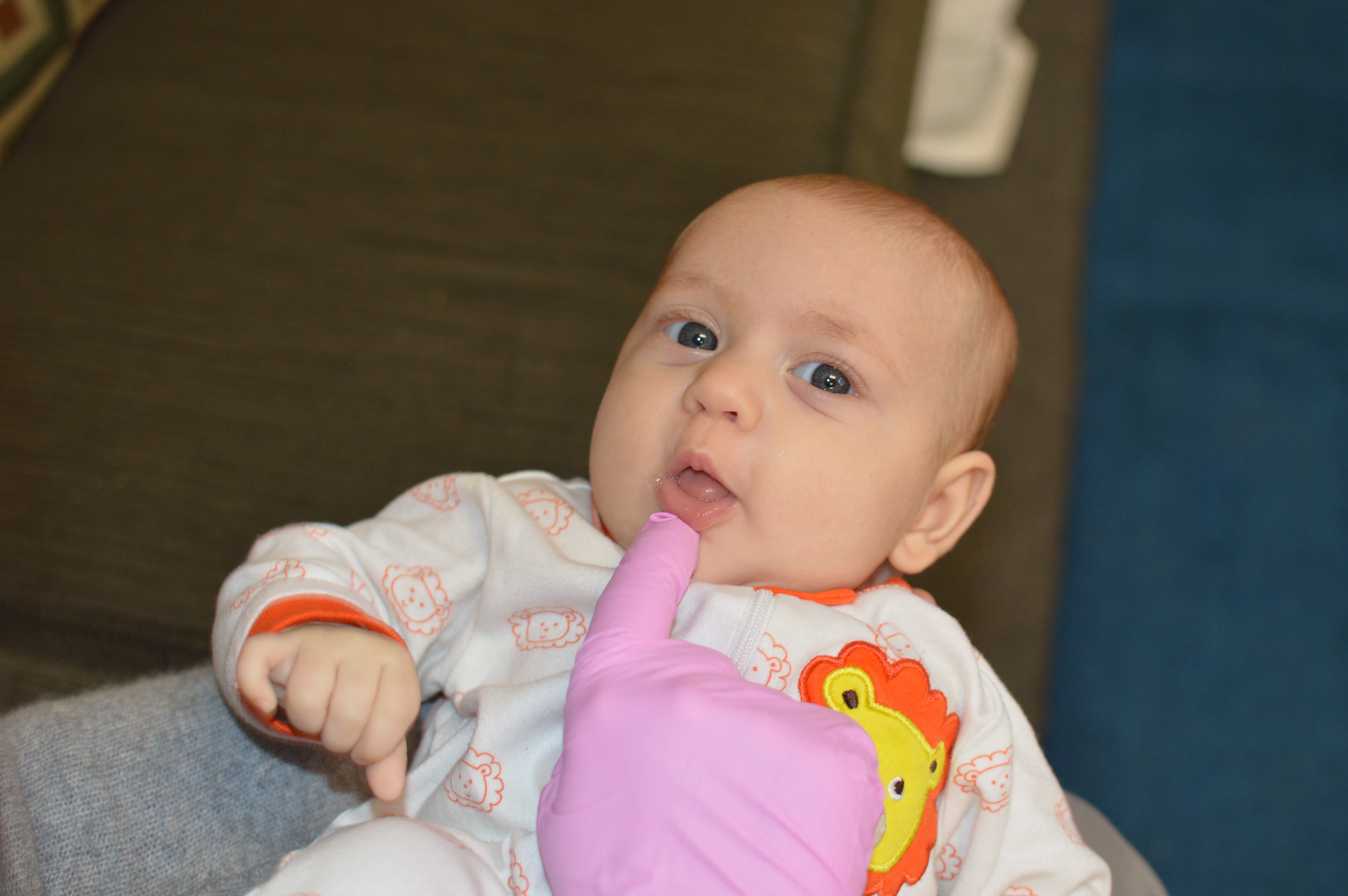 When I perform an oral exam on a baby, I assess both the tongue’s appearance and function. I am very familiar with Dr. Hazelbaker’s ATLFF scoring tool and Dr. Martinelli’s assessment tool. My first job is to help with breastfeeding. If I see a baby with whom I am not able to resolve nursing problems and scores very highly on these tools, then a professional evaluation by a specialist seems warranted. It seems to be agreed upon that some body work, cranial sacral therapy, a chiropractor, PT, or OT.
I did find it interesting that the author offered no other possible treatment path. Mothers and babies are suffering from not breastfeeding well or at all. What are we supposed to do?
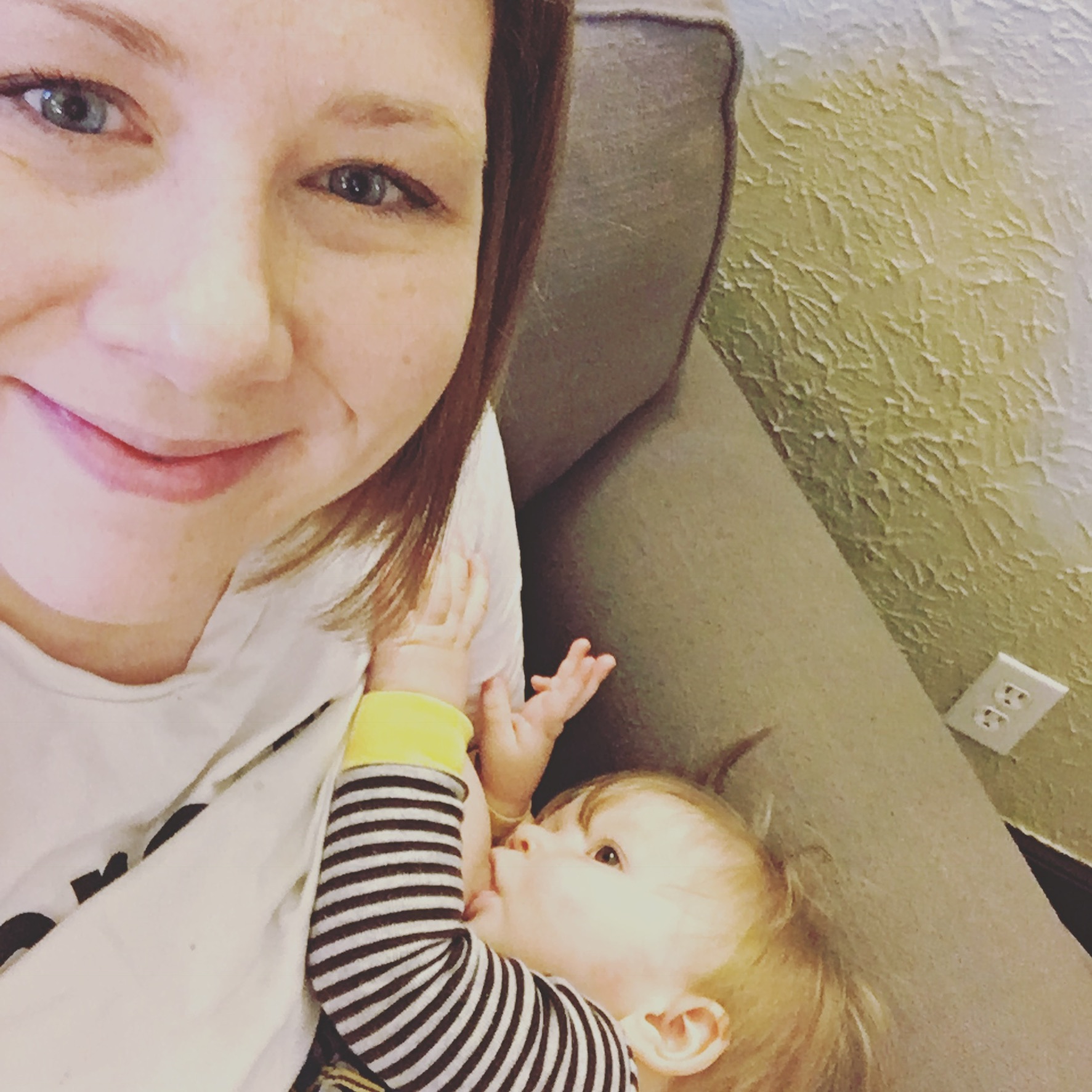 Breastfeeding was designed to work. Life is exquisitely orchestrated to work the great majority of the time. Why is breastfeeding so broken in the US?
Our culture? Lack of confidence in breastfeeding? Lack of knowledge? How are we birthing? Our diets/environments?
I do know working with a well-qualified IBCLC can help. I would encourage you not to run out and get a tie released without getting comprehensive breastfeeding help! Working on latching, breast milk supply, or whatever else might be going on seems like a good first step.
Below is a list of resources I use when thinking about tongue ties. Sadly, these don’t exist for lip ties. The jury still seems to be out as to what to do with these.
-
-
-
-
-
-
- Marinelli- Scroll to images at end of study http://www.abramofono.com.br/wp-content/uploads/2012/02/Lingual-Frenulum-Protocol-with-scores-for-infants-IJOM-2012.pdf
- Hazelbaker Assessment Tool for Lingual Frenulum Function (HATLFF): The gold standard for comprehensive research, this tool grades both appearance (10 points) and function (14 points). A high function score suggests the tie does not severely impact feeding regardless of its appearance.
- TABBY (Tongue-tie and Breastfed Babies): A picture-based assessment derived from clinical tools, TABBY uses 12 visual references of the tongue and attachment sites to score tongue appearance and mobility on a scale of 0 to 8.
- Bristol Tongue Assessment Tool (BTAT): A quick, objective scoring method utilized globally to measure the severity of a tongue-tie. It examines four domains: appearance, lift, extension, and protrusion.
- LATCH Scoring System: A broader breastfeeding charting system that scores five key areas—Latch, Audible swallowing, Type of nipple, Comfort, and Hold—to assess overall feeding efficiency, which is frequently impacted by tongue restrictions.
-
-
-
-
-
If you work with breast/chestfeeding families and are passionate about lactation support, or you want to turn your passion for nursing into professional practice, check out LactaLearning.com and consider following us on social media!
Instagram @lacta.learning
Facebook LactaLearning